Israel Tours
Plan Your Journey Through History and Faith
This suggested 10-day tour through Israel offers a well-rounded journey across some of the country’s most important historical, archaeological, and cultural sites. From the green landscapes of the Galilee to the ancient streets of Jerusalem, from the wonders of the Dead Sea and the Judean Desert to the vibrant life of modern Israel, this itinerary connects past and present in one unforgettable experience.
While this is a classic route followed by many visitors, there are countless ways to experience Israel. Use our interactive maps to explore alternative destinations and build a tour that fits your interests—whether focused on faith, history, archaeology, nature, culture, or all of them.
Classic 10-Day Israel Tour Itinerary
Arrive at Ben Gurion Airport
Day 1
Begin your journey through Israel with arrival at Ben Gurion Airport. Travelers are typically welcomed and transferred to accommodations along the Mediterranean Coast. This first evening allows time to rest and prepare for the days ahead.
From the Coast to the Galilee
Day 2
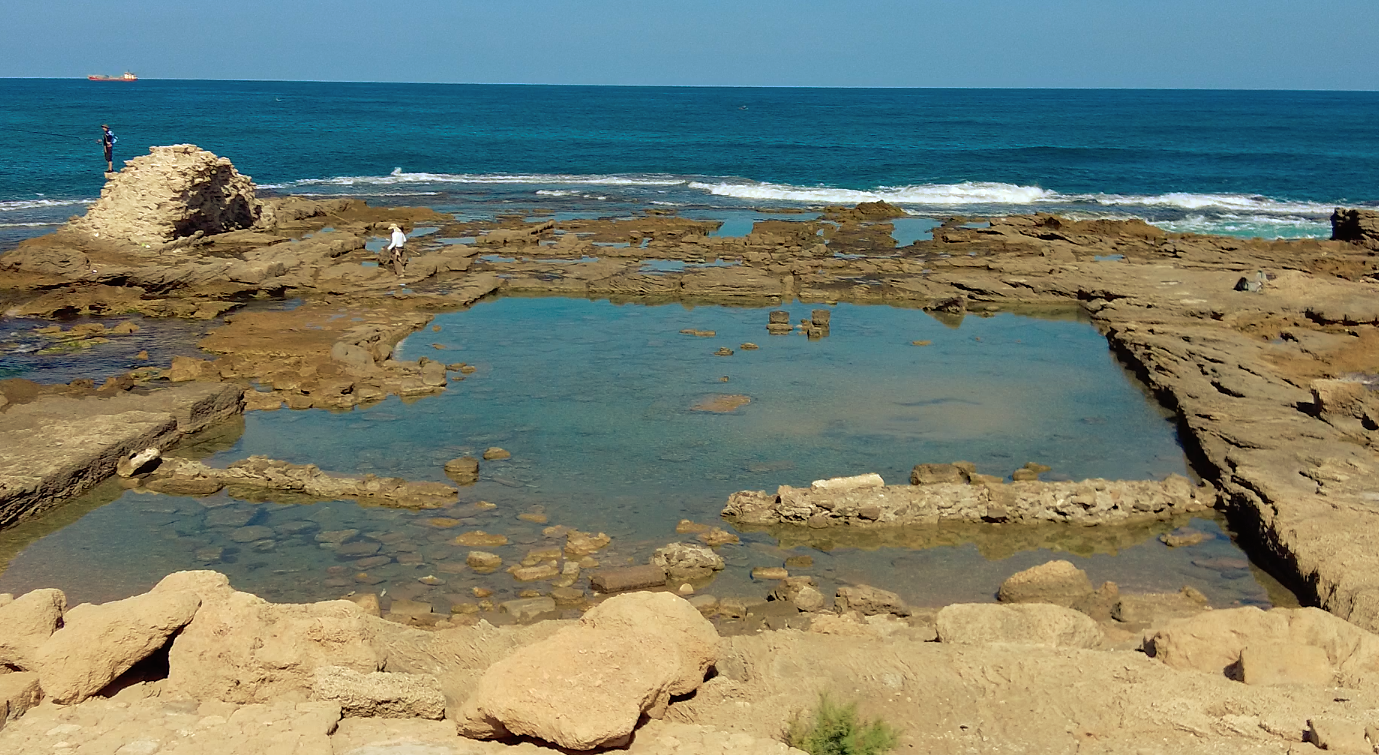
Begin the day at Caesarea, the ancient Herodian port city on the Mediterranean Sea, once a hub of Roman power and early Christianity. Continue to Mount Carmel, where the prophet Elijah confronted the prophets of Baal. Visit Muhraka, the traditional site of this dramatic biblical event, offering panoramic views over the Valley of Armageddon. The Carmel region is also home to Druze villages, giving a glimpse into one of Israel’s unique and long-standing minority communities.
At Tel Megiddo, explore nearly 25 layers of ancient civilization at this key strategic site—mentioned in both Egyptian records and biblical prophecy.
As the day winds down, pass through Nazareth, the childhood home of Jesus, before arriving at your hotel by the Sea of Galilee, where the next chapter of the journey begins.
Around the Sea of Galilee: In the Footsteps of Jesus
Day 3
There’s a sense that time stands still by the Sea of Galilee. The lake, the hills, and the quiet shoreline look much as they did 2,000 years ago—untouched by modern development and rich with biblical memory.
Today is dedicated to exploring the cradle of Christianity around the Sea of Galilee, where many key events in the life and ministry of Jesus took place.
Begin with a visit to the museum in Ginosar, where the 2,000-year-old “Jesus Boat” is on display—offering a rare and powerful glimpse into daily life on the Sea of Galilee during the time of Jesus. From there, enjoy a boat ride on the Sea of Galilee, connecting the spiritual landscape with its biblical past.
Continue to the ruins of Capernaum, known as “Jesus’ own town,” where he taught and performed miracles. Nearby, ascend to the Mount of Beatitudes, the traditional site of the Sermon on the Mount, offering peaceful views of the lake and surrounding hills.
Visit Tabgha, associated with the miracle of the loaves and fishes.
Explore Magdala, hometown of Mary Magdalene, and see the ancient synagogue and the Magdala Stone, one of the most significant archaeological finds in the region.
End the day at Yardenit, a baptismal site on the Jordan River, where visitors can reflect or participate in symbolic baptism ceremonies in a serene natural setting.

Northern Frontiers — Tel Dan, Banias, and Gamla
Day 4
Travel north into the Upper Galilee, passing by ancient Korazim and Tel Hazor, one of the most significant cities of the Canaanite and Israelite periods. Continue through the hills near Safed (Tzfat)—a city known for its Jewish mysticism and spiritual history.
The road then winds through the Hula Valley, bringing you to Tel Dan, where archaeology and nature come together at the site of an ancient Israelite city. Walk along shaded trails to see impressive remains, including the massive city gate and the High Place built by King Jeroboam.
Continue to Banias Nature Reserve, where lush trails lead to the Banias Waterfall, one of the most beautiful in Israel. Significantly for Christians, Banias is traditionally identified as Caesarea Philippi, the place where Jesus asked his disciples, “Who do you say that I am?” (Matthew 16:15).
Travel up into the Golan Heights, passing through the Druze village of Masa’de and driving along the Syrian border. The day ends at Gamla, often called the “Masada of the North,” where dramatic cliffs, ancient ruins, and sweeping views tell the story of Jewish resistance during the Great Revolt.
After a day immersed in nature, history, and powerful landscapes, return to your hotel by the Sea of Galilee.

From the Galilee to Jerusalem via the Jordan Valley
Day 5
Travel south from the Galilee along the Jordan Valley, a route filled with historical and spiritual significance.
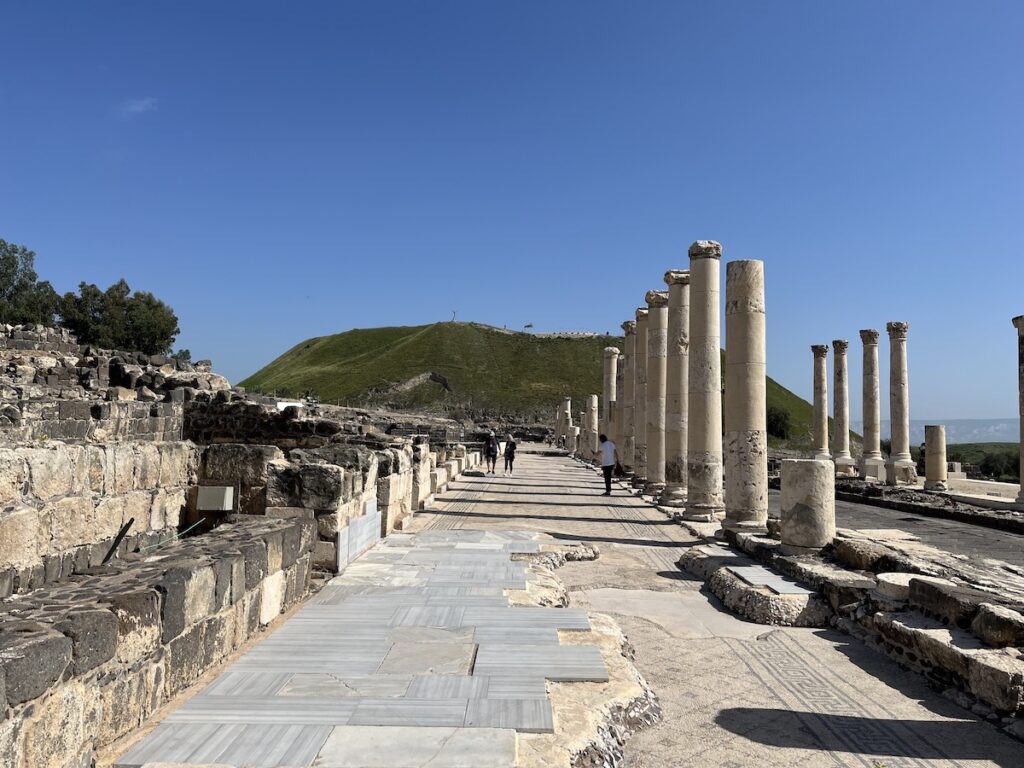
Your first stop is Bet She’an, one of Israel’s most impressive archaeological sites. In the Bible, it is where the bodies of King Saul and his sons were hung on the city walls (1 Samuel 31). In the New Testament period, it became part of the Decapolis, a league of ten Hellenistic cities. The well-preserved Roman theater, public baths, and colonnaded streets offer a vivid look into life in a Greco-Roman city.
Continue to Jericho, one of the world’s oldest cities. Explore Tel Jericho, where the walls famously fell in the biblical conquest led by Joshua. As the lowest city on earth, Jericho also features in the New Testament as a place Jesus visited and taught.
From there, the road ascends through the Judean Desert into Jerusalem, where your evening concludes at your hotel in the city.
Mount of Olives, Gethsemane, and Bethlehem
Day 6
Start the day with a panoramic view from the Mount of Olives, offering one of the most breathtaking and iconic vistas of Jerusalem. From this elevated ridge, you’ll gain a deeper appreciation of the city’s spiritual significance and its layers of history—sacred to Judaism, Christianity, and Islam.
Walk down the slope of the Mount of Olives, passing the ancient Jewish cemetery and the Dominus Flevit Church, traditionally believed to mark the place where Jesus wept over the city. Continue to the Church of Gethsemane, also known as the Church of All Nations, set among centuries-old olive trees in the Garden of Gethsemane, where Jesus prayed before his arrest.
In the afternoon, travel to Bethlehem, the traditional birthplace of Jesus. Explore Manger Square and visit the Church of the Nativity, one of the oldest continuously used churches in the world, marking the site where, according to Christian tradition, Jesus was born.

Mount Zion, Jewish Quarter, Western Wall, Via Dolorosa & Garden Tomb
Day 7
Begin the day on Mount Zion, just outside the Old City walls. Visit two important sites: the Room of the Last Supper (Cenacle), traditionally associated with the final meal Jesus shared with his disciples, and King David’s Tomb, a site of long-standing Jewish reverence.
Enter the Old City through Zion Gate and walk into the Jewish Quarter, where ancient history and modern life intertwine. Pass by several significant archaeological sites, including the Cardo, a restored Roman-era marketplace, and the Burnt House, which offers a glimpse into the destruction of Jerusalem in 70 CE.
From there, continue to the Western Wall, also known as the Wailing Wall or the Kotel—considered one of the holiest sites in Judaism. The lower section of the wall was built by Herod the Great in the 1st century BCE as part of his grand expansion of the Second Temple in Jerusalem.
Next, step into the Christian Quarter to follow part of the Via Dolorosa, beginning at Station 5, traditionally marking where Simon of Cyrene helped Jesus carry the cross. Continue to the Church of the Holy Sepulchre, which houses both the site of the crucifixion (Golgotha) and the tomb believed by many to be where Jesus was buried and resurrected.
In the afternoon, visit the peaceful Garden Tomb, a serene alternative location for the crucifixion and resurrection, offering a reflective setting for prayer and contemplation.

Masada, Ein Gedi & the Dead Sea
Day 8
Head east through the Judean Desert toward the Dead Sea region, passing by Qumran, where the Dead Sea Scrolls were discovered—one of the greatest archaeological finds of the 20th century.
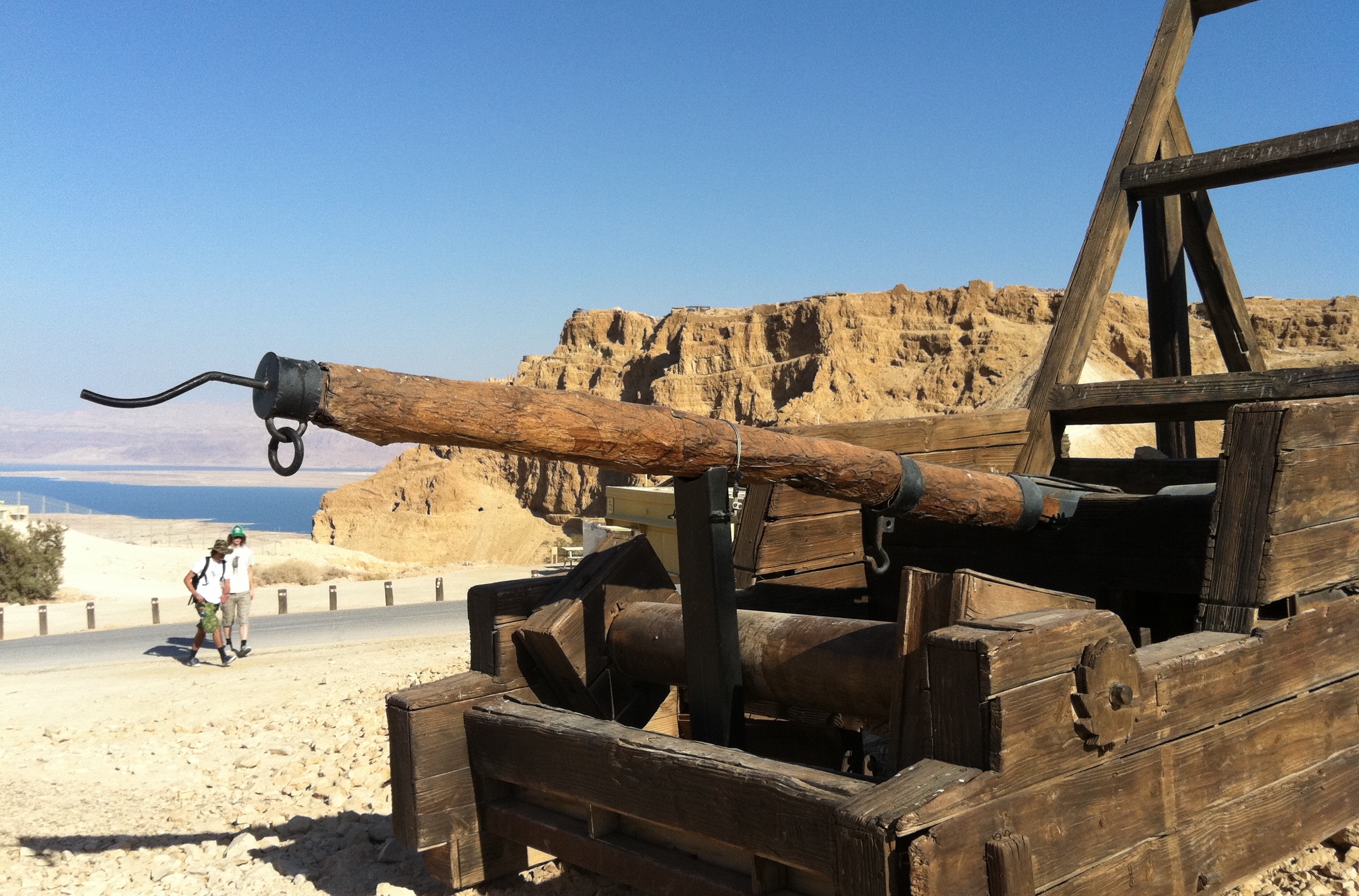
Ascend by cable car to the dramatic desert fortress of Masada, built by Herod the Great. Explore the palace ruins, Roman baths, storerooms, and learn the heroic story of the Jewish rebels who made their final stand against Rome.
Next, visit Ein Gedi Nature Reserve, a lush oasis in the desert with hiking trails leading to the beautiful David Waterfall, where King David is said to have hidden from King Saul.
Wrap up the day with a relaxing float in the Dead Sea, the lowest point on Earth. Enjoy the mineral-rich waters and the breathtaking desert views before returning to Jerusalem.
Remembering and Reflecting
Day 9
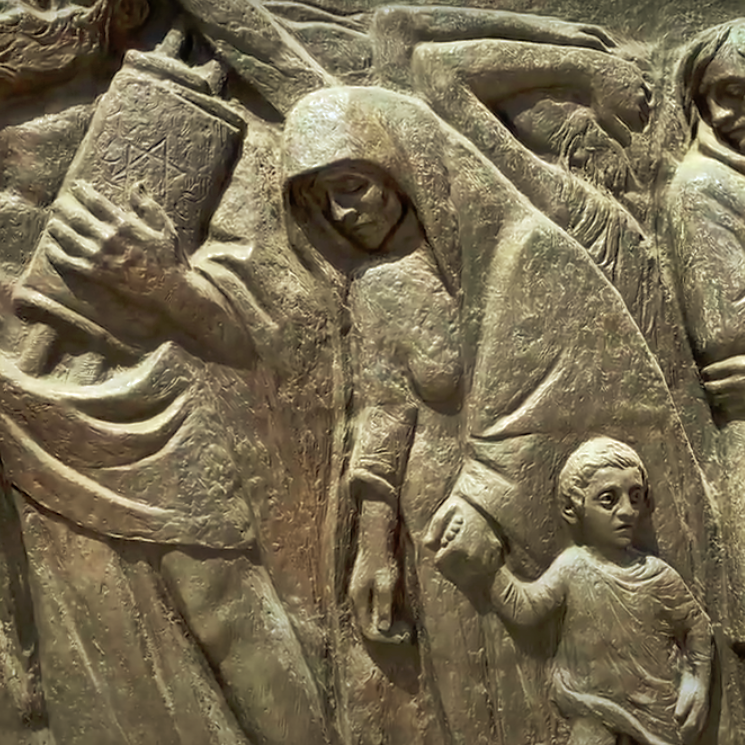
Begin the day with a powerful and emotional visit to Yad Vashem, Israel’s official memorial to the victims of the Holocaust. Through its museum exhibits and memorials, you’ll explore the history of Jewish communities before the Holocaust, the tragedy itself, and stories of resistance, rescue, and survival.
Next, visit the nearby Israel Museum, home to two remarkable highlights: the Second Temple Model, a detailed reconstruction of Jerusalem during the Second Temple period, before its destruction by the Romans in 70 AD; and the Shrine of the Book, which houses the Dead Sea Scrolls—some of the oldest biblical manuscripts ever discovered.
Spend the afternoon enjoying free time for shopping in Jerusalem’s markets and boutiques, or relaxing with a coffee as you enjoy the atmosphere of this timeless yet vibrant city.
Departure
Day 10
After a memorable journey through Israel’s rich history, culture, and spiritual heritage, it’s time to say farewell. Depending on your flight schedule, enjoy some final moments to relax or explore before being transferred to Ben Gurion Airport for your departure home.
